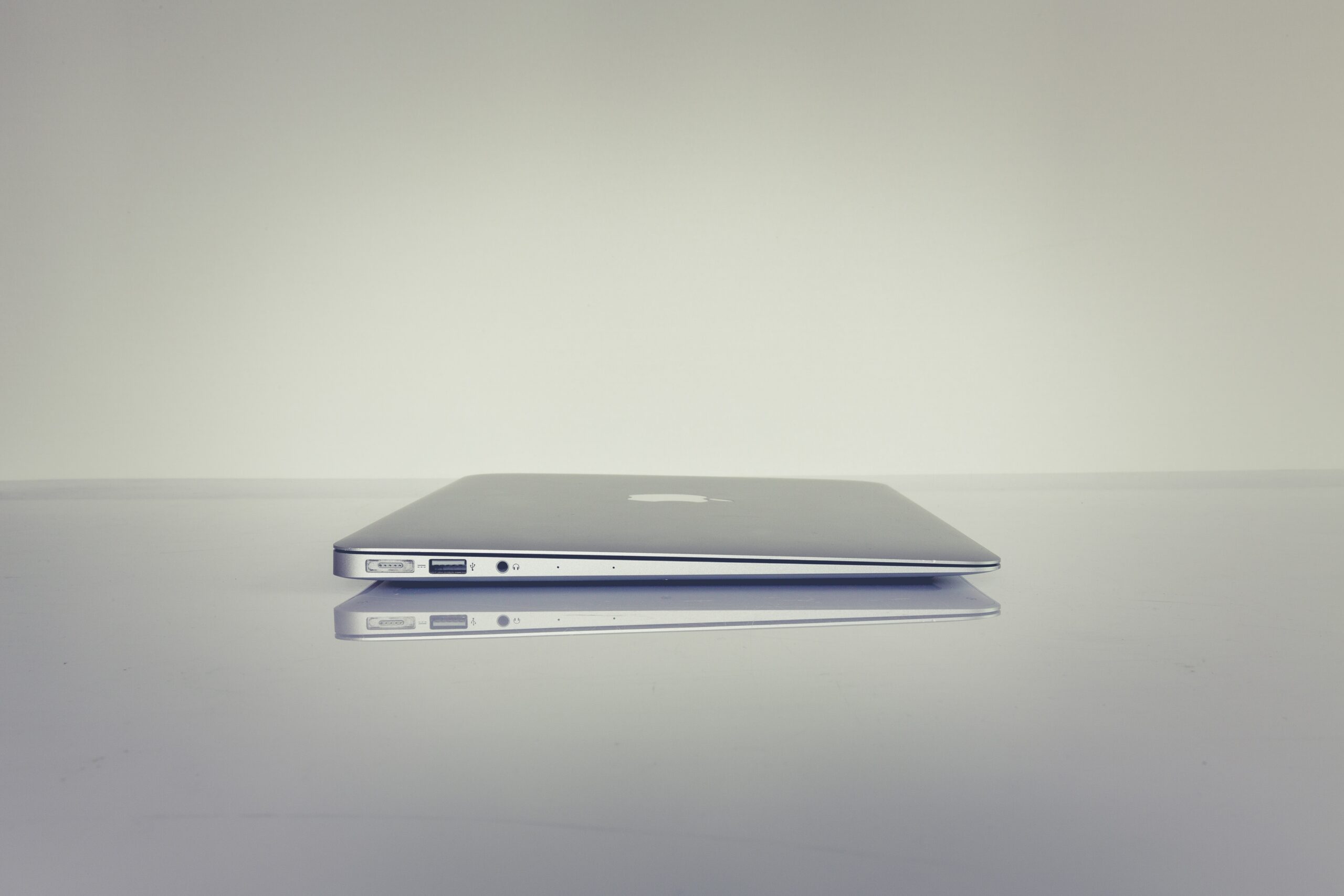
Review: The New MacBook Pro with M3‑Series Chips — Redefining Laptop Performance
Here’s a 1200‑word, detailed review of the new MacBook Pro lineup powered by Apple’s M3 chip series — covering design, performance, battery life, display, real‑world benchmarks, pros & cons, and overall value. I drew on multiple expert and hands‑on reviews to give you a comprehensive and balanced take. (RTINGS.com)
Review: The New MacBook Pro with M3‑Series Chips — Redefining Laptop Performance
Apple’s MacBook Pro lineup took another evolutionary leap with the introduction of the M3 chip family — comprised of the base M3, the more capable M3 Pro, and the powerhouse M3 Max. These Apple Silicon processors bring true next‑generation performance to the MacBook Pro, backed by increased efficiency, enhanced graphics capabilities, and industry‑leading battery life. But how do these laptops actually perform across real workloads, creative tasks, and day‑to‑day use? Let’s dive in. (MacRumors)

The M3 Chip Series: What’s New Under the Hood
At the heart of this refresh is a significant shift in Apple’s chip strategy. Built on TSMC’s cutting‑edge 3‑nanometer process, the M3 series introduces more transistors, redesigned cores, and upgraded graphics hardware compared with the previous M2 generation, which enables faster performance and greater efficiency in both CPU and GPU tasks. (Notebookcheck)
M3 (Base):
- 8‑core CPU with a mix of performance and efficiency cores
- Up to 10‑core GPU
- Ideal for everyday computing, productivity, and light creative work
M3 Pro:
- Greater CPU and GPU core counts (e.g., 11‑core CPU, 14‑core GPU in some configs)
- Supports more memory (e.g., up to 36–48 GB depending on build)
- Designed for heavier workloads
M3 Max:
- Maximum performance — up to 16‑core CPU and 40‑core GPU
- Massive memory support (up to 128 GB!) and upgraded bandwidth
- Built for creators, engineers, and power users who need desktop‑class performance on the go (MacRumors)
Despite Apple’s aggressive naming, a nuance reviewers highlight is that the M3 Pro sometimes trades a few CPU cores and slightly less memory bandwidth compared to M2 Pro, reducing theoretical gains — but real‑world results still show meaningful performance boosts thanks to architectural improvements and efficiency gains. (MacRumors)
Design and Build: Familiar Yet Refined
Visually, the new MacBook Pro models remain largely unchanged from Apple’s 2021 redesign: a sturdy aluminum chassis, flat edges, and minimal bezels around a vibrant display are all present. The Space Black finish is a fresh addition — replacing classic Space Gray on higher‑end Pro and Max models — giving these machines a premium, almost stealth aesthetic. (MacRumors)
Port Selection
Apple stays true to the Pro philosophy by offering a generous selection of ports on M3 Pro and M3 Max models, including Thunderbolt/USB‑C, HDMI, SD card reader, and MagSafe charging. On base M3 models, slightly fewer Thunderbolt ports are present, but the essentials remain. (RTINGS.com)
Keyboard, Trackpad, and Webcam
The keyboard is familiar to long‑time MacBook Pro users — spacious, tactile, and comfortable — paired with one of the best laptop trackpads available. The webcam is a 1080p unit, an upgrade over past standards and ideal for remote work or conferencing. (RTINGS.com)
Display: A Visual Feast
The MacBook Pro lineup continues to sport Apple’s stunning Liquid Retina XDR displays with ProMotion technology. These panels deliver:
- High brightness levels, bright enough to handle glare and outdoor use
- True blacks and excellent contrast, thanks to Mini‑LED technology
- 120Hz adaptive refresh rate for smoother animations and scrolling (Tom’s Guide)
For creators, photographers, and videographers, these displays are among the best in the laptop market — offering accurate color reproduction and enough brightness to make subtle details pop.
Performance: Blistering Speed in Real Workloads
Performance gains are where the new MacBook Pros shine — and this is especially true when comparing them to earlier MacBooks with M2 or Intel chips.
CPU and Productivity Performance
On benchmarks like Geekbench, the base M3 chip can outperform the older M2 by about 20% in both single‑ and multi‑core tests, and deliver noticeably snappier responsiveness in everyday tasks. (Tom’s Guide)
With the M3 Pro and M3 Max, Apple targets professional workloads such as:
- Video editing in Final Cut Pro
- Massive photo libraries
- Code compilation and software development
- 3D rendering and animation
Benchmarks and real‑world tests show these chips can handle multi‑threaded tasks with ease, often outpacing similarly priced Windows laptops and even rivaling desktops in sustained jobs. (MacRumors)
Graphics and Creative Work
A notable leap with the M3 series is the enhanced GPU — and support for features like hardware‑accelerated ray tracing and advanced graphics rendering techniques. This gives creative professionals a meaningful advantage in tasks like:
- 3D modeling
- GPU‑accelerated filters and effects
- High‑resolution video playback and editing (MacRumors)
While no laptop GPU can match the power of a full desktop GPU (e.g., NVIDIA RTX series) in gaming, the graphics performance here is more than capable for most creative and professional workflows.
Battery Life: Endurance Meets Performance
Apple’s Silicon has always excelled in energy efficiency, and the M3 series continues this trend. Independent testing and user reports consistently show:
- All‑day battery life on moderate use
- Over 12 hours of video playback without charging
- Efficient power management even under heavy loads (RTINGS.com)
This balance between performance and longevity sets the MacBook Pro apart from many Windows alternatives, some of which sacrifice battery life for raw performance.
Who Should Buy Which Model?
Choosing the right MacBook Pro with M3 Silicon depends on your needs:
🟢 Base M3 Model
Best for:
- Students and professionals needing above‑average performance
- Creators doing occasional photo or video edits
- Anyone who values battery life and smooth macOS integration
⚠️ Note: The base model can feel limited with 8 GB of RAM in demanding workflows, so upgrading to 16 GB is recommended if you plan to multitask heavily. (Macworld)
🔵 M3 Pro
Ideal for:
- Creative professionals
- Software developers and engineers
- Users needing additional ports and memory capacity
M3 Pro strikes a strong balance of power and versatility for most professional workflows.
🔴 M3 Max
Made for:
- Film editors working in 4K/8K
- 3D artists and animation studios
- Large compute jobs and heavy graphics workflows
If money is no object and performance is paramount, M3 Max is one of the most powerful laptops Apple has ever produced. (Tom’s Hardware)
Pros and Cons: A Balanced Look
✔ Strengths
- Industry‑leading performance and efficiency — multiple reviewers call it “blistering fast” and “class‑leading.” (Tom’s Guide)
- Beautiful and bright display — ideal for creatives and professionals. (Tom’s Guide)
- Outstanding battery life — Apple Silicon continues to set the bar. (RTINGS.com)
- Premium build quality and user experience — keyboard, trackpad, webcam all excel. (RTINGS.com)
✘ Weaknesses
- Price — especially with M3 Pro/Max configurations. (MacRumors)
- Memory and SSD upgrades are expensive — something to consider for power users. (Tom’s Hardware)
- Gaming performance is limited in native macOS titles due to limited support. (RTINGS.com)
Final Verdict: The New MacBook Pro Is a Powerhouse — With Real‑World Impact
The MacBook Pro lineup powered by the M3 chip series delivers significant performance and efficiency improvements over previous generations. Whether you choose the base M3, the versatile M3 Pro, or the absolute beast that is the M3 Max, Apple’s newest offerings provide unequaled power per watt in the laptop segment with excellent battery life, cutting‑edge displays, and the polish macOS users expect. (MacRumors)
If you’re a creative professional, developer, or anyone who demands both performance and reliability, these are some of the best laptops available today — albeit at a premium price. For average users, the base M3 model is a strong choice, but be mindful of memory and storage requirements if you plan to push the machine hard. (MacRumors)